







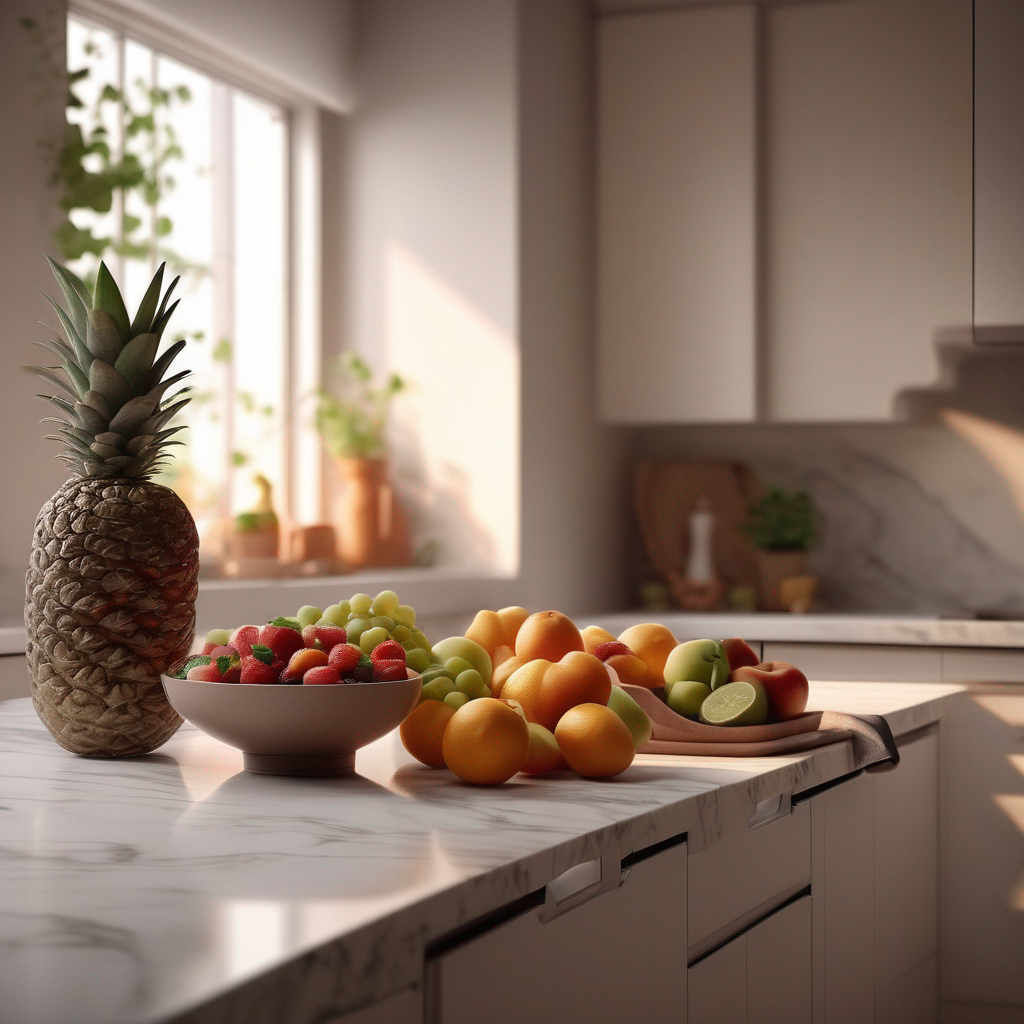
The idea that “fruit in the evening goes straight to fat” is popular—and misleading. Your body doesn’t switch into a special nighttime mode where an apple or a banana is automatically stored as fat. What drives weight change is primarily your daily energy balance: over time, eating more energy than you expend leads to weight gain, while eating less supports weight loss. Meal timing can influence hunger, sleep, and habits, but it doesn’t make fruit uniquely fattening after a certain hour.
Where the myth comes from
This belief usually comes from two observations: people tend to move less in the evening, and fruit contains sugar. Both are true, but the conclusion is not. Even when you’re resting, your body still spends energy on breathing, brain activity, circulation, temperature regulation, and recovery. Metabolism doesn’t “shut off” at night.
And yes, fruit contains naturally occurring sugars—but fruit also provides water, fiber, and a wide range of micronutrients and plant compounds. Fiber can slow digestion and improve fullness, which is one reason fruit often works well as a lighter dessert or snack compared with many ultra-processed sweets.
Daily balance matters more than the clock
Body fat gain requires a consistent calorie surplus. In practice, it’s less important whether you ate fruit at 9 a.m. or 9 p.m., and more important how many calories you consumed across the day and week. Many people successfully lose weight while eating a significant portion of their calories later in the day—provided their overall intake matches their goals.
So why do some people feel that evening fruit “causes” weight gain? Often, fruit becomes an extra add-on. If you’ve already had a satisfying dinner and then eat a large bowl of grapes, plus “a little something” afterward, the total can easily add a few hundred calories. Weight gain, if it happens, is driven by the surplus—not by fruit being eaten at night.
- Portion size: a clear portion helps (one medium fruit or about 150–200 g of berries).
- Role in the meal: fruit as a planned dessert can support goals; fruit on top of fullness often doesn’t.
- Consistency: your routine over weeks matters more than a single evening.
When evening fruit can actually be unhelpful
Even though the “turns into fat” claim is false, evening fruit can be tricky for some people depending on appetite patterns, digestion, and sleep.
It may backfire if:
- It triggers more snacking—you eat fruit and then keep grazing on sweets.
- It causes digestive discomfort (bloating or reflux) with certain fruits or larger portions.
- It replaces a proper dinner, leaving you hungry later and more likely to overeat.
If your goal is better satiety, pairing fruit with a small amount of protein can help: berries with yogurt or an apple with cottage cheese. This isn’t required, but it can steady hunger for people who struggle with late-evening cravings.
How to eat fruit in the evening without stress
Instead of strict “no fruit after X o’clock” rules, use simple strategies that support your daily balance and sleep:
- Plan it: include fruit intentionally as part of dinner, dessert, or a set snack.
- Pre-portion: decide the serving before you start eating.
- Check your hunger: if it’s stress or fatigue, rest may help more than food.
- Protect sleep: if certain fruits or large portions disrupt sleep, move them earlier.
Fruit is normal food—even in the evening. If your overall intake aligns with your needs, it won’t magically “turn into fat” because of the time.